Excursions to high mountain areas offer unforgettable adventures where you can immerse yourself in the beauty of nature and experience unique experiences with your family. Well, in order for your trip to be trouble-free and full of joy, it is essential to thoroughly prepare. How to pack and prepare the whole family for an alpine vacation and hiking?
Why go on holiday to the mountains?
Many prefer a warm vacation during the winter months. Sipping cocktails by the sea in January or February is a pleasant idea, but even a vacation in the snowy mountains has its own charm. Here are a few reasons why many people seek out mountain areas on their days off:
- Beauty of nature – Mountain environments often offer beautiful scenery that includes massive mountains, lakes, forests and picturesque valleys. The natural beauty of the mountains can provide an escape from everyday stress and enable relaxation in peace and quiet.
- Active recreation – Mountains are ideal for various activities such as hiking, skiing, snowboarding, cross-country skiing and many others. Those looking for an active vacation can choose from a variety of options according to their interests and abilities.
- Clean air – In mountainous areas, the air can be cleaner and cooler, which is great for those looking for an escape from city smog and mild winter. Fresh mountain air can positively affect breathing and overall well-being.
- Cultural and historical attractions – Many mountain areas have a rich cultural and historical heritage. Visiting mountain villages, historical landmarks and getting to know local customs can add another dimension to your vacation.
- Health benefits - For some people, staying in the mountains can also have health benefits. Lower oxygen levels can stimulate red blood cell production and improve cardiovascular health
How to pack the whole family?
Packing the whole family for a mountain vacation can be difficult. What to pack for a winter vacation in the mountains and what not to forget?
Clothes
Check the weather forecast and pack clothes according to the current conditions on top of the hills, but also at lower altitudes. Clothing should be layered so you can add or remove layers as needed. Don't forget a waterproof layer and spare clothes in case of rain.
In addition to warm clothes for hiking or winter walks, don't forget about comfortable clothes in which you can enjoy the time spent with your family at the cottage and swimwear in case you decide to visit the wellness center or the water park.
Shoes
Choose quality hiking boots that are comfortable and durable. It is important that they have good foot support. It is a good idea to "break in" new shoes before the trip to avoid potential bruises and discomfort.
Food and drink
Don't forget a sufficient amount of water and snacks. High mountain air and physical activity can cause greater thirst.
Pack light, energetic snacks that will provide the necessary energy and at the same time will not take up much space in your backpack. You can also consider buying water filters or water purifiers if you are traveling to areas where there is no access to drinking water.
Protection from sun and frost
Wearing a high SPF sunscreen is key, even during the winter, because UVA and UVB rays are always there, regardless of the season. A warm jacket, spare gloves, socks and other heat-retaining layers should help protect you from the cold.
First aid
The first aid kit should contain basic medicines, bandages, disinfectant, thermal blanket and other necessary things. Make sure that the equipment of the first aid kit also meets the special requirements of individuals.
Also pay attention to the pitfalls of traveling during pregnancy. In some weeks of pregnancy, difficult hiking in the mountains may not be manageable for the expectant mother and beneficial for both her and the child.
But that doesn't mean you leave mom at home. She, too, can head out to soak up the fresh mountain air. The time when the family will be climbing the surrounding peaks can be enjoyed in a different way - for example, relaxing at the cottage or a pleasant pregnancy massage.
At the same time, the body may have specific needs during this period. Find out where the nearest medical help is in case of any complications.
Hygiene necessities
Your equipment should also include wet wipes, toilet paper, quick-drying towels and other hygiene items.
Navigation and rescue equipment
Don't just rely on phone navigation, as you may not have a good signal in the mountains. In addition to downloading offline maps, it would be ideal to have paper maps and a compass with you. Also provide yourself with rescue equipment, such as a whistle, lightning blankets, flashlights, power banks, a small knife or defensive spray against bears.
If you have small children
If you are also going to the mountains with small children, provide a baby carrier or a stroller that is suitable for alpine terrain. Also, don't forget to bring toys or activities to keep the kids occupied during breaks.
TIP: With children, it is especially important to keep them warm, don't forget warm overalls for children, even if they should be in a stroller or carrier all the time.
Documents
Before every trip, whether it is a winter vacation or not, make sure you have your personal documents, car documents, health cards, or travel insurance documents (if you have taken out one).
Planning
Planning is an integral part of a vacation, especially if you are traveling with children. It is not enough to know how to prepare for a hike in the mountains, but also whether the hike is suitable for children, where you will sleep with them, etc.
Choose a route with easy and comfortable terrain that is suitable for children. Think about the length and difficulty of the route so that it is appropriate for the age and experience of your children. Don't underestimate breaks either, because they are important so that children can warm up, eat, drink and rest.
Also check the weather forecast before your trip and choose a day with favorable conditions. Be informed about conditions in the area, including avalanche danger and other hazards.
Make sure you have enough time not only to get to your chosen location, but also to get back before it gets dark or the weather turns bad.
Accommodation
If you plan to spend the night in the mountains, check availability and book your accommodation in advance so that the chalet is not full when you arrive. Despite the fact that you would probably not be thrown out of the mountain hut even at full capacity, if you are traveling with children it is definitely better to secure a separate room.
Be careful
Before you load travel bags into the car and set off, you should know what you should pay extra attention to during your winter vacation in the mountains.
- Before leaving, check the weather forecast and the current conditions of your planned hiking route. Snowfall, low temperatures and wind can have a significant impact on conditions on hiking trails.
- In the mountains, it is important to be informed about the current level of snow and avalanche danger. Respect the warnings and instructions from local authorities and mountain rescuers.
- Always carry enough fluids and light snacks with you. In winter, hydration is important even at low temperatures.
- Find out how you can contact the mountain rescue service or local emergency services in the event of an emergency. Make sure you have a mobile phone with enough battery, or even a backup battery.
- Respect the rules and regulations in the national park and protected areas and do not go off the marked paths. Take care to maintain cleanliness and do not leave garbage behind in nature.
- Tourist signage in Slovakia is among the highest quality signage in the world. If you still don't know what each tourist sign means, familiarize yourself with the signs before your trip and follow them responsibly.
For skiers and snowboarders
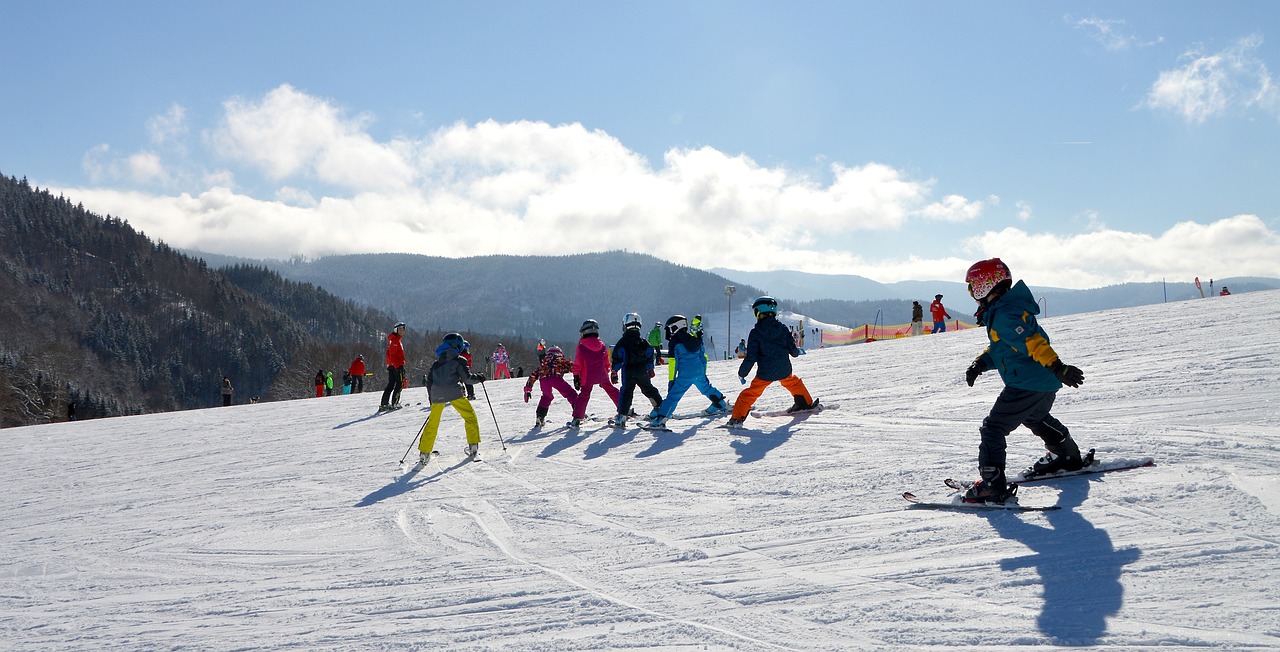
Many people cannot even imagine a winter vacation without skiing. If you are going to enjoy these winter sports in the mountains, you will definitely use the car carrier for skis or snowboard. Before you go, however, make sure that it is properly fixed.
Ski and snowboard equipment
If you don't rent the equipment directly on the slope. Don't forget to pack skis or snowboards with bindings, ski poles (if necessary), ski/snowboard boots, helmets, ski goggles (or sunglasses with UV protection) in your equipment.
Clothes
Just like hiking in the winter, warm clothing is a must for the slopes. Jackets and pants should definitely be waterproof and waterproof. Don't forget to layer your clothes, so pack thermal underwear and sweaters. Warm socks or knee socks, gloves and neck warmers or hoods to protect against the cold are also a matter of course.
TIP: Choosing clothes for winter sports can be a challenge, especially when it comes to children.
Safety equipment
Winter sports undoubtedly carry certain risks, so don't underestimate a first aid kit, whistles, flashlights and a mobile phone with a charged battery.
Food, drink and sunscreen
Just as for winter hiking, don't forget to take some snacks with you on the slopes. Although you will find buffets in most ski areas, it may happen that they will be closed for technical reasons.
Sunscreen should not be missing in your equipment, because even during winter, the sun's rays can take their toll on your skin.
Other necessities
Familiarize yourself with information about the ski tracks in advance and, ideally, have their maps with you. You will definitely also need a ski or snowboard pass, money and payment cards (for needs on and off the slopes) and it certainly won't hurt to pack a camera or a mobile phone to capture the experiences.
What should skiers and snowboarders watch out for?
If you already have everything packed, a roof box on the car loaded with ski equipment and you can't wait to finally set off, don't forget to consider all the risks. Check out the following few points that you should pay attention to.
- Slope conditions - monitor the current conditions on the slope and respect the instructions and warnings of the ski resorts. If conditions are dangerous, change plans.
- Safety equipment – wearing a helmet is mandatory on the slopes only up to the age of 15, but even adult skiers should not neglect wearing it, spine protectors can be another useful safety equipment.
- Considering other skiers – driving predictably and keeping a safe distance from other people can minimize the risk of accidents.
- Avoidance of dangerous areas – Both snowboarders and skiers should avoid areas with insufficient snow, rock formations, rolling terrain and other potentially dangerous conditions.
- Knowledge of signs - even on a slope, you should know the meaning of signs to avoid dangerous areas such as off-trail zones and dangerous sections.
We prepared the article for you in cooperation with:
PoctiveSEO: Learn how to write articles that earn money.
Author: Natália Várošová, SEO copywriter
Images:
Sources:
https://www.simfashion.sk/blog/stylovy-sprievodca-co-si-zbalit-na-zimnu-dovolenku-na-horach/
skiing course Skiing course in the High Tatras - Fun and progress on the slope December 7, 2024 by Tatry accommodation etc skiing courseThe High Tatras are one of the most popular destinations for winter sports lovers. Thousands of visitors come here every year to enjoy the perfect combination of beautiful nature, well-groomed slopes and modern ski lifts.