Tatra photographer: which places are worth visiting and how to behave appropriately when taking photos in the national protected park?
Welcome to the magical world of the mountains, where at every turn there is an opportunity to discover and capture the unique beauty of wild nature through the camera lens. In this article, we will delve into the fascinating art of photography, which allows us to capture moments of immense beauty and excellence that the Tatras offer.
At the same time, we will remind ourselves how important it is to approach photography with respect and sensitivity towards the environment that provides us with such precious moments, in order to leave the places we visit intact and ready for the next generations of nature and photography lovers.
Don't forget: The journey to the heart of the majestic Tatras, where every photo frame reveals the infinite beauty of nature, is an adventure that begins with the thorough preparation of your car and checking engine oil to avoid unexpected complications on the long journey to mountain experiences.
The Tatras as a photographic paradise
Presenting the Tatras as a destination for photographers is like telling a story about a place where every shot can be a masterpiece. Stretching across the northern part of Slovakia and part of Poland, this mountain range is a place where beautiful nature meets endless possibilities for photographers of all styles and interests.
Landscape diversity: from mountain lakes to wild peaks
One of the main advantages of the Tatras is their extraordinary landscape diversity. Photographers will find everything here, from idyllic mountain lakes such as Štrbské Pleso or Popradské Pleso, which reflect majestic peaks in their crystal clear waters, to wild and inaccessible rock towers such as Lomnický štít or Gerlachovský štít, which represent a challenge not only for climbers, but also for photographers looking for the best shot.
Unique light and atmosphere in different seasons
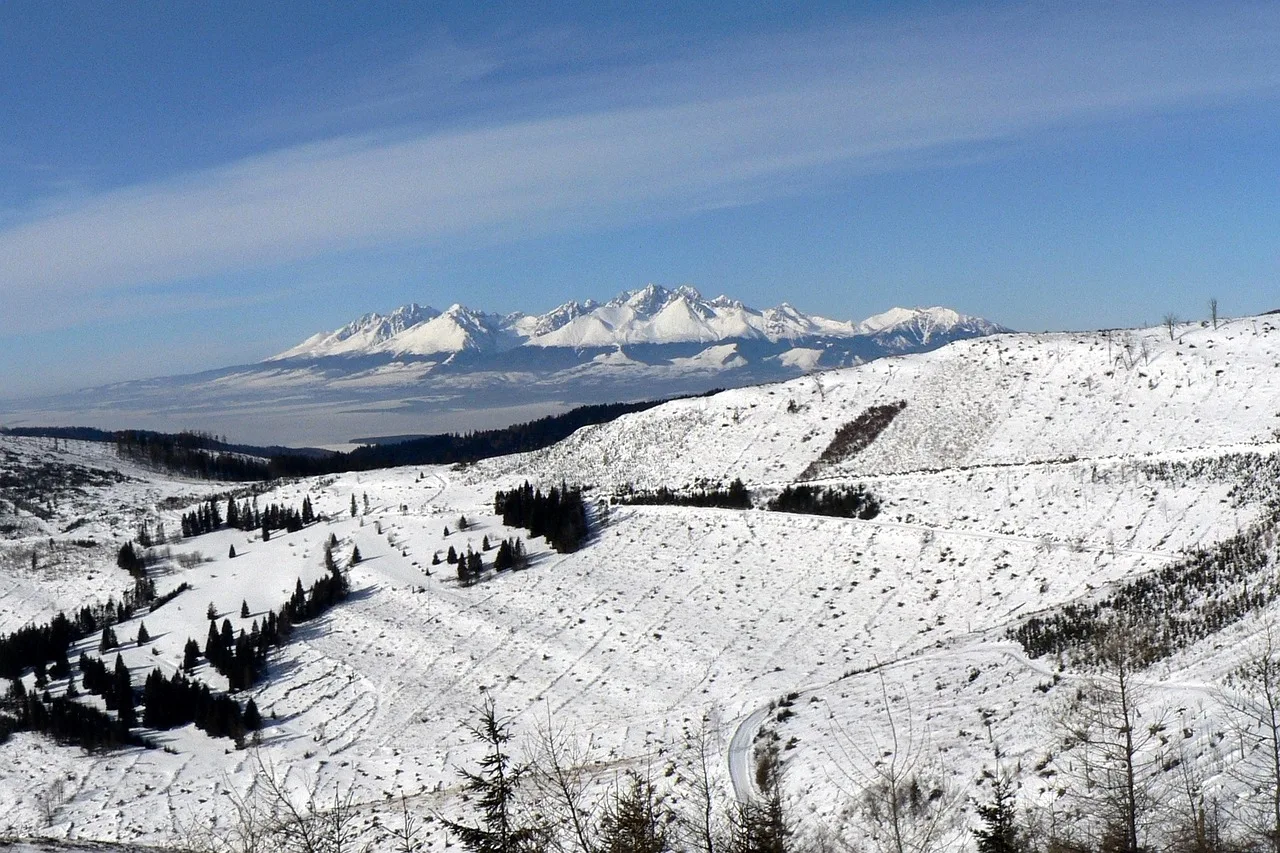
Every season in the Tatras offers unique scenery and light conditions. Spring brings blooming greenery and wild waters of mountain streams, while summer abounds with a rich palette of colors of flowers and green meadows. In autumn, the mountains are covered in golden and fiery shades of falling leaves, while winter transforms the Tatras into an immense kingdom of snow and ice, where the light refracts on the snowy slopes and creates beautiful contrasts.
The mornings are also unforgettable, when veils of fog stretch over the ridges and the first rays of the sun draw dynamic images in the sky. Evenings and nights make it possible to observe the starry sky without light smog, which is literally a dream for lovers of night photography.
The best photo locations in the Tatras
Štrbské Pleso: Morning reflection of shields on the surface
Štrbské Pleso, the pearl of the High Tatras, is a place where a photographer has a unique opportunity to capture the magic of nature in its purest form. From the first moments of the morning, when the silence of the mountain morning awakens together with nature, it is possible to observe how the peaks of the Tatra mountains are reflected on the calm surface of the lake.
This scene offers countless compositional possibilities, from symmetrical reflections to gentle ripples on the water that change the image with every gust of wind in an ever-changing art.
Štbské Pleso
In addition to the visual beauty, Štrbské Pleso is also a place where you can capture the atmosphere of Tatra nature - from silence and peace, to the occasional call of wild animals, to the sound of the wind in the treetops. All this adds another dimension to the photo, which is felt even years later, when we look at it again.
Furthermore, in the vicinity of Štrbské Pleso, there are many hiking trails that lead to other photogenic places, opening up new perspectives for anyone who wants to capture the Tatra beauty in all its diversity.
Tip: For photographers who are willing to get up early and go out into nature when the world is still sleeping, tips for camping in Slovakia will come in handy.
Lomnický štít: Views accessible by cable car
Lomnický štít, the second highest peak of the High Tatras, is one of the most sought-after and photogenic locations in the entire mountain range. Access to this peak is possible by a cable car that takes you up to a height of 2634 meters above sea level. From there, there is a breathtaking panoramic view, which just begs to be captured in a photo.
From the top of Lomnické štít, you can take pictures of the extensive Tatra ridges, snowy peaks, and favorable weather allows you to see even as far as Poland or the Považia plain. The views here are unique in every season, whether it is green summer months, colorful autumn or a winter landscape covered in snow.
Photographing from Lomnické štít is a real experience that provides countless compositional possibilities. However, to get the best shots, it is recommended to plan your visit early in the morning or late in the afternoon, when the light is softer and creates a fascinating play of shadows and light on the mountain ridges.
Popradské Pleso and Symbolic Cemetery: A place of peace and monuments
Popradské Pleso, with its quiet surface and peaceful surroundings, is a place where time seems to stand still. In the heart of the High Tatras, this gem offers beautiful scenery for all visitors and especially for photographers who are looking for places full of peace and beauty. Its mirror surface reflects the surrounding Tatra peaks and trees, creating perfect compositions for anyone who wants to capture the symbiosis of water and mountains.
Only a short distance from the lake is the Symbolic Cemetery, which is dedicated to the memory of the victims of the High Tatras. This unique and moving monument is set in beautiful nature and provides visitors with a place to reflect on the beauty and at the same time the dangers of the mountains. For a photographer, it is a place where a deep emotional story can be captured, and at the same time it is a reminder to always show respect for nature and its forces.
When photographing Popradské Pleso and the Symbolic Cemetery, it is important to preserve the atmosphere of silence and peace that reigns there. These locations are not only visually impressive, but also bear witness to the history and stories of people who loved the mountains and sometimes paid the highest price for their love.
Inspiration: Do you know what benefits a stay in nature has for your health?
Photography in this environment requires a sensitive approach and respect for the silence that is part of this sacred atmosphere. As photographers, we should always be ready to capture not only the visual, but also the emotional depths that the Tatras offer us. Popradské Pleso and the Symbolic Cemetery are the right place for those who want to tell stories with their photos that go beyond a simple shot.
Features: Climb for stunning views
Rysy, the highest peak in Poland and one of the most popular peaks on the Slovak side of the High Tatras, presents an attractive challenge for photographers. The ascent to Rysy is challenging, but the reward is the breathtaking views that can be seen from its peak at a height of 2503 meters above sea level.
The road to Rysy is popular among tourists and mountain enthusiasts, not only for the impressive panoramas, but also for the feeling of accomplishment after reaching the top. For photographers, it is an opportunity to capture the vast Tatra mountains in their full beauty, with views that extend far beyond the borders of the national park.
When climbing Rysy, it is important to be prepared for different weather conditions, because the weather in the mountains can change quickly. Therefore, it is advisable to plan the ascent in such a way that you can enjoy it in good health and safety.
Rysov peak itself offers unique perspectives – from dramatic cliffs to the gentle lines of mountain ridges. Combined with the blue sky or the dramatic clouds that can appear during the day, Rysy photos are a real treat for the eyes and the soul.
Tips for lesser-known but equally impressive places
Even though well-known places such as Štrbské Pleso, Lomnický štít or the Valley of Five Polish Plies are beautiful, there are also lesser-known locations that deserve the attention of cameras.
Belianske Tatras
One such location is, for example, the Belianske Tatras, which are often overlooked in favor of their higher and better-known neighbors, but offer breathtaking views and are less crowded with tourists. Here, the photographer can capture the peace and wildness of Tatra nature without disturbance.
Tatra cottages
Another gem is the Zamkovsky and Téry cottages, which are located in the heart of the High Tatras. The surrounding wildlife and views of the surrounding peaks are perfect for a camera lens, especially at dawn or dusk when the light plays with colors and shadows.
Waterfalls
For lovers of water motifs, there is the Skok waterfall, which is located on the Mlynica stream in the Mlynická dolina. The waterfall and its surroundings offer breathtaking scenery for photographers who like dynamics and movement in their images.
SNP heroes' journey
And for those looking for truly unique shots, there is the area around the SNP Heroes' Road, where there are remarkable monuments and bunkers from the Second World War, surrounded by beautiful Tatra nature.
Great Cold Valley
Finally, for peaceful and thoughtful scenery, there is Veľká Studená dolina. Its quiet environment and slow rhythm are perfect for photographers who seek inspiration within themselves and want to connect with nature.
Photography in the Tatras: Technical tips and preparation
Photographing mountainous landscapes is a challenge that requires not only a creative feeling, but also technical readiness. The Tatra nature is beautiful, but also unpredictable, which is why it is important to be prepared for everything.
Chamois in the High Tatras
How to use morning and evening light
Morning and evening light, the so-called golden hour, provides soft and warm tones that are ideal for landscape photography. Try to shoot against the light to capture silhouettes and atmospheric effects such as light rays and fog. Use the ideal composition to capture colorful tin roofs houses with a background of forest and mountains.
Technical tips for photographing mountain landscapes:
- Use a tripod: For sharp and stable shots, especially in low light or long exposures, a tripod is essential.
- Work with aperture: Deep field (larger f-number) allows you to keep the entire scene in focus, from the foreground to distant peaks.
- Use a polarizing filter: It will help you enhance colors, remove glare and increase the contrast of the sky.
- Experiment with exposure time: Short exposures capture the dynamics of waterfalls and streams, while longer exposures create the effect of smooth water and moving clouds.
Preparation for changeable weather and its effect on photography
In the Tatras, the weather can change very quickly, so it is important to follow the forecast and be prepared for all situations. Always carry a protective waterproof case for your camera and lenses to protect them from rain or snow.
Recommended gear: from lenses to clothing
- Lenses: Wide-angle lens for expansive landscapes, telephoto for detail and zoom for flexibility.
- Filters: Polarizing and ND filters for light and contrast control.
- Clothing: Layerable, waterproof and breathable clothing for any weather.
- Batteries and memory cards: Batteries drain faster in the cold, so keep spares and make sure you have enough memory cards.
Safety measures when photographing in difficult terrain
- Inform someone about your route and planned return.
- Use tourist maps and GPS.
- Take basic tourist equipment with you, including first aid.
- Always respect the weather and terrain, do not enter dangerous areas.
Ethics of photography in the national park
Photography in the national park is not only about recording the beauty of nature, but also about its protection. Everyone who enters the national park should respect the rules and guidelines that are created to protect and preserve the natural heritage.
The importance of nature protection and the rules of the national park
It is important to remember that as visitors to national parks, we are only temporary guests in the home of wildlife and plants. The rules, such as bans on entering certain areas, restrictions on the number of visitors or a ban on feeding the animals, are there to protect nature and ensure that the parks remain beautiful for future generations.
How to avoid disturbing wildlife and damaging flora
When photographing in nature, it is important to stay on the trails and avoid any disturbance of animals. Use telephoto lenses to get pictures of animals from a safe distance. Never destroy plants or take parts of nature with you as souvenirs.
Access to photography in protected areas
Entry into protected areas should always be in accordance with local regulations. Some areas may only be accessible with a guide or during certain periods. Inform yourself in advance and follow all recommendations and restrictions.
Carrying away all rubbish and leaving the place as found
Always take all waste with you and do not leave anything behind that could disturb the natural environment. This also means small garbage such as film wrappers, food wrappers or even cigarettes. The goal is to leave the place as if no one was ever there.
Sharing photos and raising awareness
When you decide to share your photos of the Tatras on social networks or in galleries, you should do so with respect for the nature they represent. It is important to remember that some footage may contain vulnerable ecosystems or endangered species.
When sharing, you can include information about how to photograph nature to preserve its charm.
Protecting nature through art
Photos have the power to inspire and arouse respect and love for nature in people. By sharing the images and the stories behind them, you can encourage others to become more active in protecting and sustaining the natural environment. This can be through supporting local conservation projects or through education about the importance of biodiversity and ecosystems.
By sharing stories about the places you've visited, the challenges these sites face, and how each of us can help protect them, you're doing more than just documenting nature. You are helping to create a strong community of people who care about the future of our planet. Use your photos as a voice for nature and be part of a positive change.
Let your images be a source of joy and pride, and let each of your photos be a reference to the importance of preserving our natural gems for all who come after us.
We prepared the article for you in cooperation with:
Radka Žiaková, content specialist for website optimization from PoctiveSEO: We will help you with website visibility, marketing, PPC advertising.
Images in the article:
- https://pixabay.com/sk/photos/%C5%A1trbsk%C3%A9-pleso-vysok%C3%A9-tatry-slovensko-3231856/
- https://www.freepik.com/free-photo/closeup-shot-brown-feral-goat-with-beautiful-horns-standing-mossy-rock_8 990085.htm#query=tatry%20zvierata&position=31&from_view=search&track=ais&uuid=51efb690-d767-4245-a2aa-0028ea749ff8 rel="noopener" target="_blank">https://www.freepik.com/free-photo/czarny-staw-tatry_1286232.htm#query=tatry&position=1&from_view=search&track=sph&uuid=694a7467-c2db-45ca-8656-dadd41bdc3ee